Does our heart speaks a language?
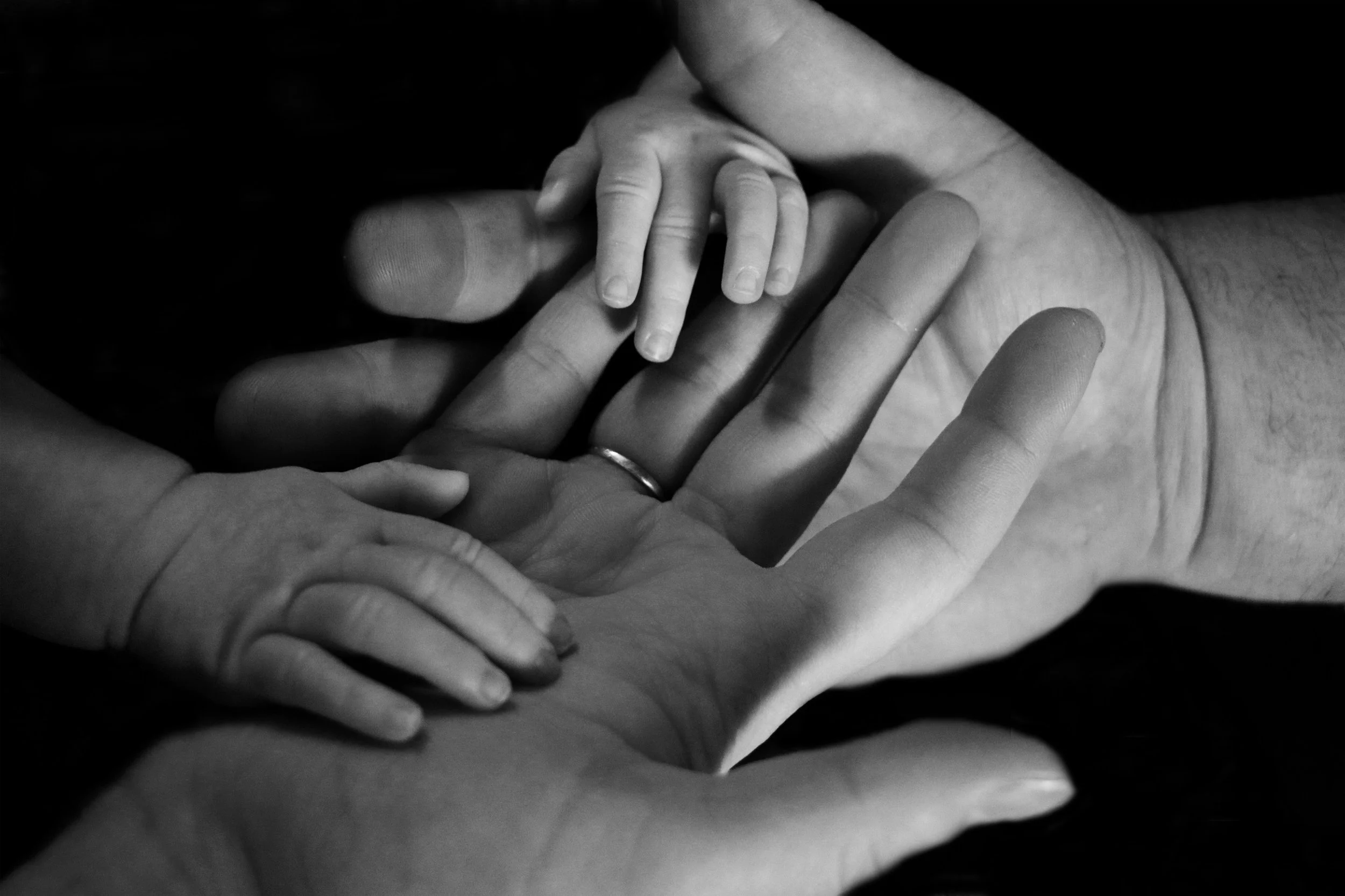
“Heart language” - It is communication that is felt before it is analysed.
It refers to a way of communicating that comes more from emotion and intuition than from logic and structured words. While normal language relies heavily on analytical brain networks (like frontal language circuits), “heart language” reflects activity in emotional and social systems — including limbic regions involved in empathy, bonding, and emotional attunement.
In simple terms:
Head language explains.
Heart language connects.
Neuroscientifically, it’s less about grammar and more about emotional resonance and nervous system synchronisation between people.
Heart language and native language are deeply connected.
Your native language is the first system your brain used to attach words to emotions, safety, comfort, and belonging. When you were a child, emotional experiences — love, fear, soothing, approval — were encoded together with the sounds and rhythms of that language.
Neuroscientifically, early language learning wires together:
Emotional circuits (limbic system)
Memory systems (hippocampus)
Auditory and language areas
Because of this early coupling, your native language often carries stronger emotional intensity. Words in your first language can feel warmer, sharper, more personal — while a second language may feel more distant or analytical.
That’s why:
People often swear in their native language.
“I love you” feels different in different languages.
In emotional moments, many people switch back to their mother tongue.
So you could say:
Your native language is often your deepest heart language —
because it was wired into your nervous system when your emotional brain was first forming.
It’s not just vocabulary.
It’s memory, attachment, and identity encoded in sound.
