Language vs thought
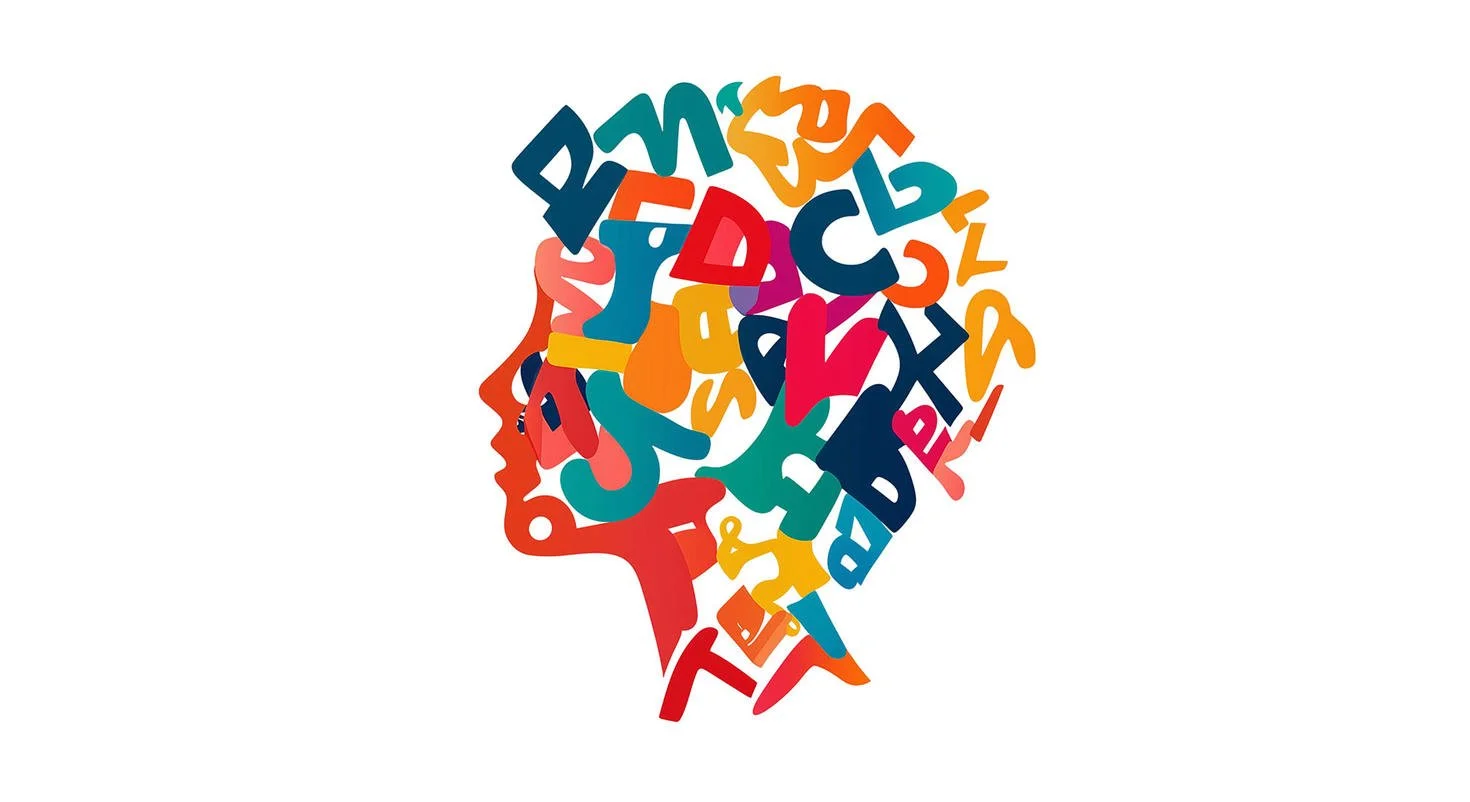
From a neuroscience perspective, thought and language are deeply connected — but not the same thing.
Thought is broader. It includes images, emotions, sensory simulations, intuitions, and abstract concepts. Much of it happens without words. For example, you can:
Recognize a face instantly
Feel anxious
Solve a visual puzzle
Imagine your home
—all without forming a sentence in your head.
Language, on the other hand, is the brain’s symbolic coding system. It translates parts of thought into structured, shareable form using words and grammar.
Conceptual thinking activates widespread networks (including sensory and emotional systems).
Language relies more heavily on left-hemisphere fronto-temporal circuits like Broca's area and Wernicke's area.
The key insight:
Thought can exist without language,
but language reshapes and sharpens thought.
When you put something into words, you compress complex mental states, make them more precise, hold them longer in working memory, reflect on them more clearly.
So language isn’t the origin of thought — it’s the brain’s tool for structuring and expanding it.
